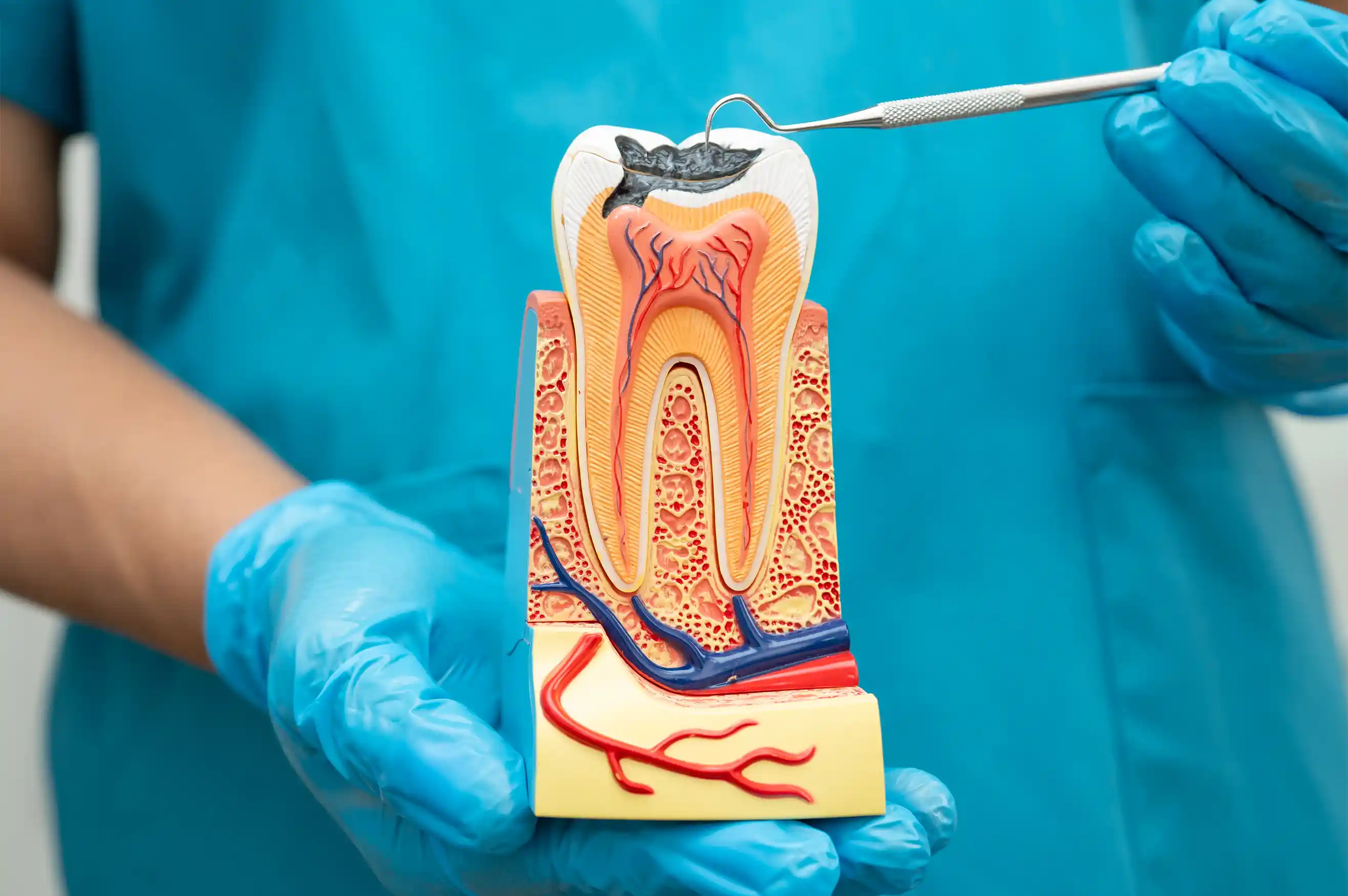
Tooth Decay Treatment: Causes, Symptoms, Stages, and Prevention Explained by Dental Experts
Tooth Decay Treatment: Causes, Symptoms, Stages, and Prevention Explained by Dental Experts
Learn tooth decay causes, symptoms, stages, and treatment options. Discover prevention tips, self-care advice, and when to see a dentist.
Table of Contents
- Introduction: Understanding Tooth Decay and Why It Matters
- What Is Tooth Decay? (Tooth Decay Synonym & Meaning)
- Tooth Decay Causes: What Are the 4 Main Causes of Tooth Decay?
- Tooth Decay Symptoms: Early Signs to Watch For
- Tooth Decay Stages: How Decay Progresses
- Tooth Decay vs Cavity: What’s the Difference?
- Tooth Decay Treatment: Can Tooth Decay Be Fixed?
- How to Remove Tooth Decay Yourself: What’s Safe and What’s Not
- Tooth Decay in Children and Toddlers
- Prevention of Tooth Decay: Long-Term Oral Health Tips
- Conclusion: Protecting Your Teeth from Tooth Decay
Introduction: Understanding Tooth Decay and Why It Matters
Tooth decay is one of the most common dental problems worldwide, affecting both adults and children. Despite being largely preventable, it continues to cause pain, infection, and tooth loss when left untreated. Understanding tooth decay causes, early warning signs, and available tooth decay treatment options can make a significant difference in long-term oral health.
Whether you are concerned about tooth decay in kids, noticing changes in your own teeth, or wondering “Can tooth decay be fixed?”, this guide explains everything you need to know in a clear, medically accurate way.
Read More: Cracked Teeth: Causes, Symptoms, Pain, and Professional Treatment Options
What Is Tooth Decay? (Tooth Decay Synonym & Meaning)
Tooth decay—also known as dental caries or cavities—is the gradual breakdown of tooth enamel caused by acids produced by bacteria in the mouth. These bacteria feed on sugars and starches from food, creating acids that weaken and eventually destroy tooth structure.
When people search for tooth decay synonym, they are often referring to cavities, decayed teeth, or dental caries. While the terms are commonly used interchangeably, tooth decay refers to the process, while a cavity is the result of that process.
_1766829573.webp)
Tooth Decay Causes: What Are the 4 Main Causes of Tooth Decay?
Dental experts consistently identify four primary causes of tooth decay:
1. Bacteria in the Mouth
The mouth naturally contains bacteria. Some types form plaque, a sticky film that clings to teeth and produces harmful acids.
2. Sugary and Starchy Foods
Frequent consumption of sugary drinks, sweets, bread, and snacks fuels acid production, increasing the risk of decay.
3. Poor Oral Hygiene
Inadequate brushing and flossing allow plaque to remain on teeth, accelerating enamel damage.
4. Lack of Fluoride
Fluoride helps repair early enamel damage and strengthens teeth. Without it, decay progresses faster.
Together, these factors explain why teeth and tooth decay are so closely linked to daily habits.
Tooth Decay Symptoms: Early Signs to Watch For
Tooth decay symptoms vary depending on the stage of damage. Early decay may not cause pain, which is why regular dental checkups are essential.
Common symptoms include:
-
Tooth sensitivity to hot, cold, or sweet foods
-
Persistent toothache
-
Visible holes or pits in teeth
-
Dark spots or white chalky areas on enamel
-
Pain when biting or chewing
Many patients ask, “What does a decayed tooth look like?” Early decay may appear as white spots, while advanced decay often looks brown or black and may involve visible damage.
Read More: Sensitive Teeth: Why It Happens and How to Stop Tooth Sensitivity Fast
Tooth Decay Stages: How Decay Progresses
Understanding tooth decay stages helps explain why early treatment is so important.
Stage 1: Enamel Demineralization
Acids begin weakening enamel, causing white spots. At this stage, decay may be reversible.
Stage 2: Enamel Decay
The enamel breaks down, forming small cavities.
Stage 3: Dentin Decay
Decay reaches the dentin, causing sensitivity and pain.
Stage 4: Pulp Damage
The inner pulp becomes infected, often requiring root canal treatment or extraction.
At advanced stages, a decayed tooth can lead to abscesses and serious infections.
Tooth Decay vs Cavity: What’s the Difference?
Many people ask about tooth decay vs cavity. Simply put:
-
Tooth decay is the disease process caused by bacteria and acids.
-
A cavity is the physical hole that forms as a result of decay.
Not all decay has progressed to a cavity yet, which is why early detection is critical.
Tooth Decay Treatment: Can Tooth Decay Be Fixed?
The answer to “Can tooth decay be fixed?” depends on how advanced it is.
Early Tooth Decay
In its earliest stage, decay may be stopped or reversed using:
-
Fluoride treatments
-
Improved oral hygiene
-
Fluoride toothpaste for tooth decay
Moderate to Advanced Decay
Once a cavity forms, professional treatment is required:
-
Dental fillings
-
Crowns
-
Root canal treatment
-
Tooth extraction in severe cases
Seeing a dentist for tooth decay as early as possible greatly improves outcomes.
_1766829599.webp)
How to Remove Tooth Decay Yourself: What’s Safe and What’s Not
Many people search for how to remove tooth decay yourself, but it’s important to clarify expectations.
You cannot remove established decay at home. However, tooth decay self-care can help stop early damage from worsening:
-
Brushing twice daily with fluoride toothpaste
-
Flossing daily
-
Reducing sugar intake
-
Drinking fluoridated water
Home care supports prevention but does not replace professional treatment once decay is present.
Tooth Decay in Children and Toddlers
Tooth decay in children is extremely common and often underestimated. Even baby teeth matter, as they guide adult teeth and support speech development.
Tooth Decay in Kids
Causes include sugary drinks, poor brushing habits, and inadequate fluoride exposure.
Tooth Decay in Toddlers
Often linked to bottle feeding at night or frequent juice consumption, sometimes called “early childhood caries.”
Parents searching for tooth decay pictures often notice brown spots or holes on small teeth—early dental visits are essential.
Prevention of Tooth Decay: Long-Term Oral Health Tips
The prevention of tooth decay starts with daily habits and regular dental care.
Key preventive steps include:
-
Brushing twice daily with fluoride toothpaste
-
Flossing once a day
-
Limiting sugary foods and drinks
-
Regular dental checkups and cleanings
-
Fluoride treatments when recommended
These measures protect teeth tooth decay risks at every age.
Read More: Dead Tooth Nerve: Causes, Symptoms, and Treatment
Conclusion: Protecting Your Teeth from Tooth Decay
Tooth decay is common—but it is not inevitable. By understanding tooth decay causes, recognizing early tooth decay symptoms, and seeking timely tooth decay treatment, you can protect your smile for years to come.
Whether you’re managing tooth decay in children, addressing a decayed tooth, or focusing on prevention, professional dental care combined with good daily habits makes all the difference. Early action saves teeth, reduces pain, and supports overall health.
Sources:
Fill it out to get your free consultation
Innovation & Precision In Every Implant
We use only reputable, high-quality implants designed for long-term durability
BioTec Dental Implants


Hiossen Dental Implants


Straumann Dental Implants


Nobel Biocare Dental Implants


MegaGen Dental Implants