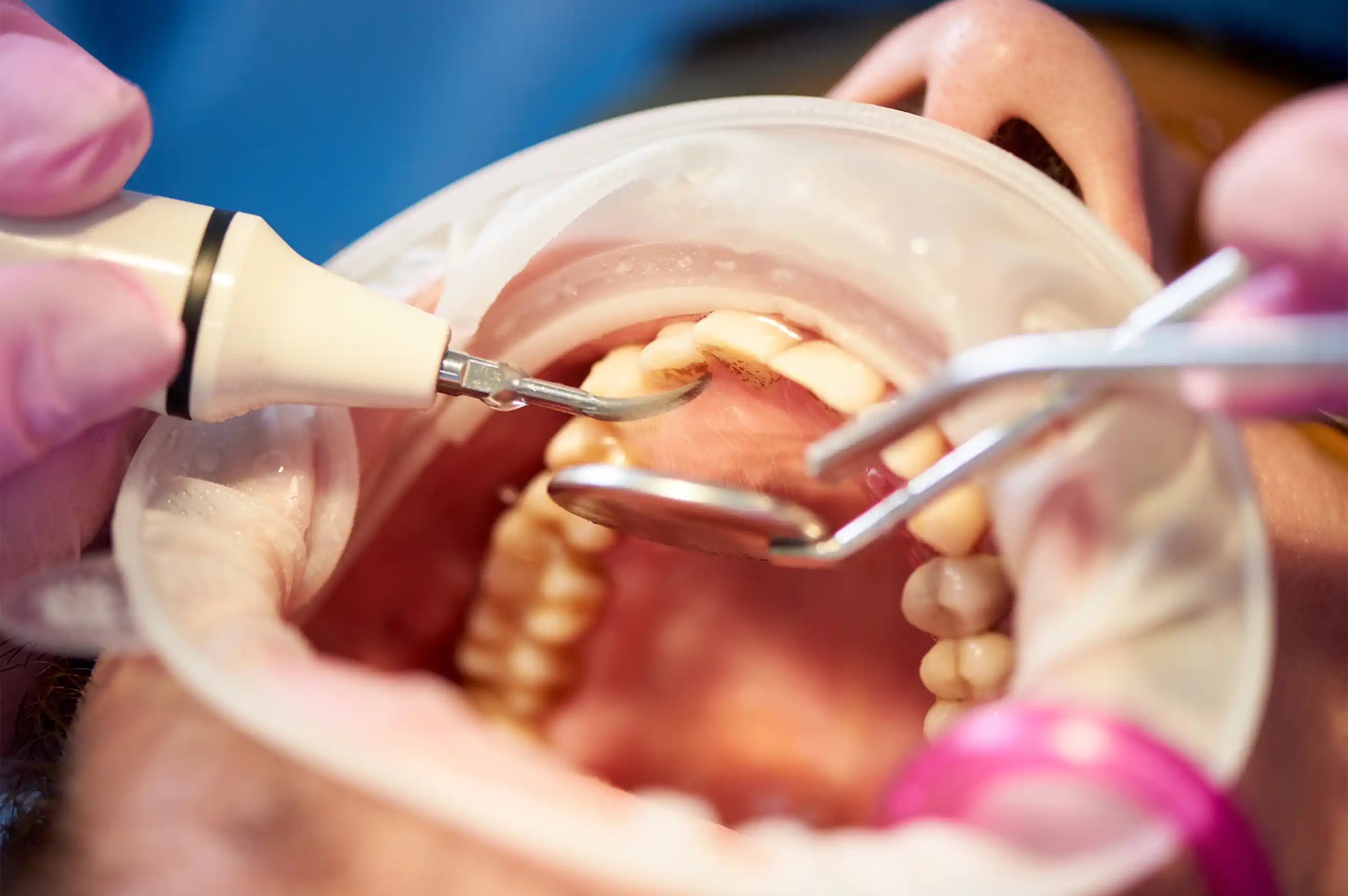
Sensitive Teeth: Why It Happens and How to Stop Tooth Sensitivity Fast
Sensitive Teeth: Why It Happens and How to Stop Tooth Sensitivity Fast
Learn why teeth become sensitive, how to stop sensitive teeth pain immediately, and the best treatments, home remedies, and products for long-term relief.
Table of Contents
- Introduction: Understanding Sensitive Teeth
- What Are Sensitive Teeth?
- Sensitive Teeth Symptoms
- Why Are My Teeth Sensitive All of a Sudden?
- How to Stop Sensitive Teeth Pain Immediately
- Sensitive Teeth Treatment Options
- Sensitive Teeth Home Remedies
- Best Toothpaste for Sensitive Teeth
- Sensitive Teeth Mouthwash Recommendations
- Teeth Sensitive to Cold: What It Means
- When to See a Dentist
- How to Prevent Tooth Sensitivity
Introduction: Understanding Sensitive Teeth
Sensitive teeth are a common dental complaint that can affect anyone, often appearing suddenly and causing sharp discomfort during daily activities like drinking cold water or brushing. Many people ask, “Why are my teeth sensitive all of a sudden?” or “How can I stop sensitive teeth pain immediately?”
To address these concerns, this guide explains the causes, symptoms, treatments, home remedies, and the best toothpaste and mouthwash for sensitive teeth — based only on reputable medical sources from Cleveland Clinic, Mayo Clinic, Johns Hopkins Medicine, WebMD, and the Oral Health Foundation.
What Are Sensitive Teeth?
Sensitive teeth occur when the protective enamel layer becomes thin or when the gums recede, exposing the underlying dentin. According to the Cleveland Clinic, dentin contains tiny tubules that allow heat, cold, or pressure to reach the nerve inside the tooth, leading to quick, sharp pain.
When dentin is exposed, everyday triggers can suddenly become painful.
Read more: Everything You Need to Know About Root Canal Treatment: Cost, Pain, Recovery & Prevention
Sensitive Teeth Symptoms
Based on the Oral Health Foundation and WebMD, symptoms of tooth sensitivity typically include:
-
Sharp, sudden pain when teeth are exposed to cold, hot, or sweet foods.
-
Discomfort when brushing or flossing.
-
Pain during teeth whitening treatments.
-
Sensitivity after dental cleanings.
-
Occasional sensitivity even without a clear trigger.
These sensations usually appear quickly and fade within seconds, which is characteristic of dentin hypersensitivity.
Why Are My Teeth Sensitive All of a Sudden?
Johns Hopkins Medicine and Cleveland Clinic highlight several common causes:
1. Enamel Erosion
Acidic foods, aggressive brushing, or stomach acid (from reflux) can wear down enamel.
2. Gum Recession
Gum disease or overly hard brushing can expose root surfaces without enamel protection.
3. Tooth Decay or Cracks
A cavity, chipped tooth, or fractured filling may cause sudden sensitivity.
4. Teeth Grinding (Bruxism)
Chronic grinding thins enamel and exposes dentin.
5. Dental Procedures
Sensitivity after whitening, fillings, or cleanings is common and usually temporary.
6. Acidic Diet
Frequent consumption of citrus, soda, or vinegar-based foods increases erosion risk.
7. Old or Worn Dental Work
Loose fillings or crowns can allow temperature changes to reach the nerve.
If sensitivity appears suddenly and persists, Mayo Clinic recommends professional evaluation to rule out decay or infection.
Read more: Dead Tooth Nerve: Causes, Symptoms, and Treatment
_1764340696.webp)
How to Stop Sensitive Teeth Pain Immediately
While long-term treatment requires addressing the cause, Johns Hopkins and Cleveland Clinic suggest several ways to reduce pain quickly:
1. Use a Desensitizing Toothpaste
Toothpaste for sensitive teeth contains ingredients like potassium nitrate that block pain signals from reaching the nerve. WebMD notes that this can provide relief with consistent use.
2. Apply Fluoride Gel
Dentists can apply high-strength fluoride to strengthen enamel and reduce sensations.
3. Avoid Triggers Temporarily
Cold drinks, sugary foods, and acidic items may worsen pain until treatment begins.
4. Use a Soft-Bristle Toothbrush
A soft bristle toothbrush for sensitive teeth prevents further enamel wear.
5. Rinse With Warm Salt Water
This can soothe inflamed gums and reduce sensitivity temporarily.
6. Use Sensitive Teeth Mouthwash
Formulas with fluoride or desensitizing agents help reduce discomfort.
These methods help manage pain quickly, but professional evaluation is recommended if symptoms last.
Sensitive Teeth Treatment Options
Based on clinical guidance from Mayo Clinic, Cleveland Clinic, and Johns Hopkins:
1. Desensitizing Toothpaste
Considered the first-line treatment, to be used twice daily. Relief may take several days to weeks.
2. Fluoride Treatments
Stronger fluoride rinses, gels, or varnishes help rebuild enamel and block pain signals.
3. Dental Bonding
A tooth-colored resin covers exposed root surfaces.
4. Gum Grafting
Mayo Clinic explains that if gum recession exposes the root, a surgical graft can protect it again.
5. Root Canal Treatment (Severe Cases)
Used only when sensitivity is caused by nerve inflammation or decay that cannot be repaired with other methods.
6. Sealants
Dentists may apply a protective coating over exposed dentin.
7. Mouthguards for Grinding
If bruxism is the cause, a custom nightguard protects enamel.
Read more: Panoramic Dental X-Ray in Turkey: Cost, Safety, and Complete Guide for Patients
Sensitive Teeth Home Remedies
Home remedies help manage symptoms but don’t replace professional treatment. According to WebMD and the Oral Health Foundation:
1. Warm Saltwater Rinse
Reduces inflammation and soothes gums.
2. Switch to a Soft Toothbrush
Avoid hard scrubbing, which worsens sensitivity.
3. Use Sensitive Teeth Toothpaste Consistently
Relief builds over time, especially with potassium nitrate formulas.
4. Avoid Whitening for Sensitive Teeth
Teeth whitening for sensitive teeth can worsen symptoms, so choose gentler products or postpone whitening during flare-ups.
5. Limit Acidic Foods
Coffee, carbonated drinks, and citrus weaken enamel.
6. Maintain Good Oral Hygiene
Brushing twice daily and flossing helps prevent gum recession and cavities.
These remedies provide relief but are most effective when combined with dentist-approved treatments.
Best Toothpaste for Sensitive Teeth
According to Cleveland Clinic and WebMD, the best toothpaste for sensitive teeth should include:
-
Potassium nitrate – blocks nerve signals
-
Stannous fluoride – strengthens enamel
-
Low abrasiveness – prevents further enamel wear
-
No harsh whitening agents (for sensitive teeth)
Brands may vary, but look for ADA or medically recognized formulations.
Sensitive Teeth Mouthwash: What to Use
Medical sources recommend:
-
Fluoride mouthwash for strengthening enamel
-
Low-acid formulas
-
Alcohol-free options to prevent gum irritation
-
Desensitizing mouthwash if recommended by a dentist
These can be used daily to support long-term relief.
_1764340715.webp)
Tooth Sensitivity and Cold: Why It Happens
Teeth sensitive to cold are one of the most common complaints. Exposure to cold air, beverages, or ice cream can trigger sharp pain because cold temperature travels through exposed dentin to the tooth nerve.
If this happens frequently, clinical sources recommend evaluation for decay, recession, or enamel erosion.
When to See a Dentist
According to Mayo Clinic and Johns Hopkins, you should seek professional care if:
-
Sensitivity lasts longer than a few weeks
-
Pain becomes severe or constant
-
There are signs of decay, swelling, or gum disease
-
Home remedies and toothpaste do not help
Persistent sensitivity could signal a deeper issue needing treatment.
Prevention Tips for Sensitive Teeth
From the Oral Health Foundation and Cleveland Clinic:
-
Brush gently with a soft-bristle brush
-
Use fluoride toothpaste daily
-
Avoid acidic foods and drinks
-
Don’t over-whiten your teeth
-
Wear a nightguard if you grind your teeth
-
Maintain regular dental checkups
These habits protect enamel and reduce future sensitivity.
Read more: Hollywood Smile in Turkey
Conclusion
Sensitive teeth can be frustrating, especially when pain appears suddenly. Fortunately, most cases are treatable with the right combination of desensitizing toothpaste, fluoride, gentle brushing, and professional dental care. Understanding the causes — whether enamel erosion, gum recession, or dietary factors — is the first step to long-term relief.
If symptoms persist or become severe, dental evaluation is essential to rule out decay or nerve issues. With proper care, most people can significantly reduce sensitivity and restore comfort in their daily routines.
Sources:
- https://my.clevelandclinic.org/health/symptoms/10954-teeth-sensitivity
- https://www.hopkinsmedicine.org/health/conditions-and-diseases/sensitive-teeth
- https://www.mayoclinic.org/healthy-lifestyle/adult-health/expert-answers/sensitive-teeth/faq-20057854
- https://www.dentalhealth.org/sensitive-teeth
- https://www.webmd.com/oral-health/tooth-sensitivity
Fill it out to get your free consultation
Innovation & Precision In Every Implant
We use only reputable, high-quality implants designed for long-term durability
BioTec Dental Implants


Hiossen Dental Implants


Straumann Dental Implants


Nobel Biocare Dental Implants


MegaGen Dental Implants