Cracked Teeth: Causes, Symptoms, Pain, and Professional Treatment Options
Cracked Teeth: Causes, Symptoms, Pain, and Professional Treatment Options
Learn what causes cracked teeth, common symptoms and pain, and the most effective cracked tooth treatments, including fillings, crowns, and when extraction is needed.
Table of Contents
- What Are Cracked Teeth?
- Cracked Teeth Causes
- Cracked Teeth Symptoms
- Cracked Teeth Pain: Why It Happens
- Crack in Teeth vs. Cosmetic Lines
- Cracked Front Tooth
- Cracked Teeth Repair: Professional Treatment Options
- Tooth Cracked in Half with No Pain
- Why Cracking Teeth Get Worse Over Time
- Conclusion: When to See a Dentist for Cracked Teeth
What Are Cracked Teeth?
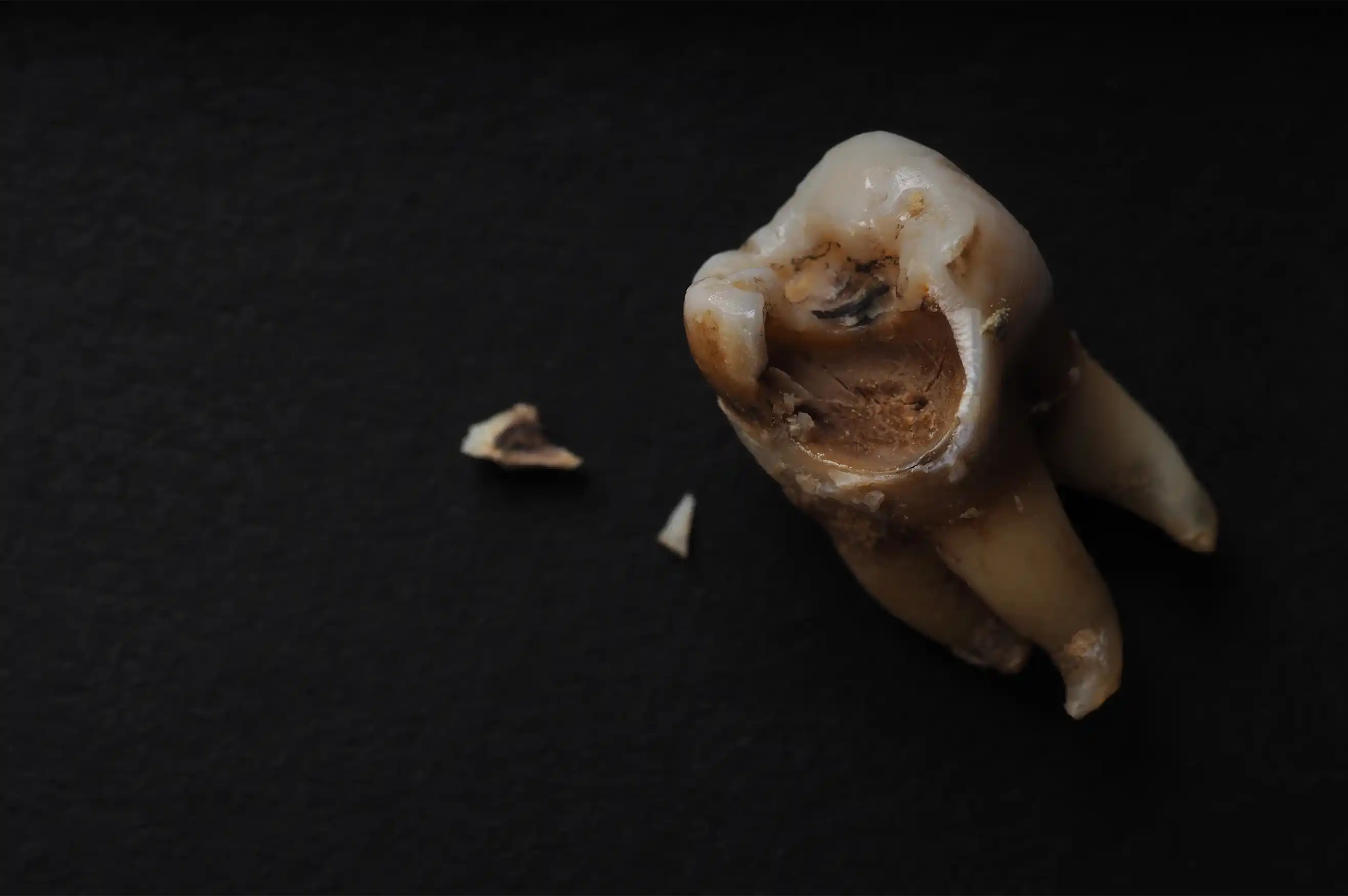
A cracked tooth occurs when a fracture develops in the tooth structure, affecting the enamel, dentin, or deeper layers. Cracks can vary widely in severity — from tiny surface lines to fractures that split a tooth in half.
Not all cracks behave the same way. Some remain stable, while others worsen over time, especially under chewing pressure. This variability is why cracked teeth are sometimes difficult to diagnose and why early evaluation by a dentist is so important.
Dentists often refer to a specific condition called cracked tooth syndrome, where a tooth has an incomplete crack that causes pain when biting or releasing pressure but may not be visible on X-rays.
Read more : Dead Tooth Nerve: Causes, Symptoms, and Treatment
Cracked Teeth Causes: Why Teeth Crack
There isn’t just one reason teeth crack. In fact, most cases result from a combination of stress, wear, and structural weakness. Common cracked teeth causes include:
Cracked Teeth from Grinding and Clenching
Habitual teeth grinding (bruxism) and clenching, especially during sleep, place repeated pressure on teeth. Over time, this constant force weakens enamel and increases the risk of cracks, particularly in molars.
Biting Hard Objects
Chewing ice, hard candy, or unpopped popcorn kernels can cause sudden fractures — even in otherwise healthy teeth.
Large Fillings
Teeth with large fillings may be more fragile. When there’s less natural tooth structure remaining, the tooth becomes more vulnerable to cracking under normal biting forces.
Age-Related Wear
As teeth age, enamel naturally thins. Adults over 50 are more likely to experience cracking due to cumulative wear over decades of chewing.
_1765971639.webp)
Cracked Teeth Symptoms: What to Watch For
Cracked teeth don’t always cause constant pain. In fact, symptoms often come and go, making diagnosis tricky. Common cracked teeth symptoms include:
-
Sharp pain when biting or chewing
-
Pain when releasing bite pressure
-
Sensitivity to hot or cold temperatures
-
Sensitivity to sweet foods
-
Intermittent discomfort with no obvious cause
One of the hallmark signs of cracked tooth syndrome is pain that feels unpredictable — it may appear suddenly and disappear just as quickly.
Read more : Sensitive Teeth: Why It Happens and How to Stop Tooth Sensitivity Fas
Cracked Teeth Pain: Why It Happens
Pain from cracked teeth occurs when the crack allows stimuli — such as pressure or temperature — to reach the sensitive inner layers of the tooth. When biting, the crack may slightly open, irritating the pulp. Once pressure is released, the crack closes again, triggering sharp discomfort.
This explains why some people experience cracked teeth pain only while chewing, rather than continuous pain.
Crack in Teeth vs. Craze Lines
Not every visible line is dangerous. Some people notice fine lines called craze lines, which affect only the enamel. These superficial lines are common and usually harmless.
However, deeper cracks — especially those that extend into the dentin or pulp — require professional evaluation. A dentist can determine whether a crack in teeth is purely cosmetic or a sign of structural damage.
Cracked Front Tooth: Is It Different?
A cracked front tooth often occurs due to trauma, such as a fall or sports injury. While front teeth experience less biting force than molars, cracks here are still serious — particularly for aesthetics and sensitivity.
Treatment depends on how deep the crack extends. Minor cracks may be repaired with bonding, while more severe fractures may require crowns or other restorative procedures.
Cracked Teeth Repair: Professional Treatment Options
There is no single solution for cracked teeth. Cracked tooth treatment depends on the location, depth, and severity of the crack.
Cracked Teeth Filling
For small cracks that don’t extend deep into the tooth, a cracked teeth filling or bonding material may be sufficient. This restores function and prevents the crack from worsening.
Dental Crowns
Crowns are one of the most common treatments for cracked teeth. They cover and protect the entire tooth, preventing the crack from spreading while restoring strength and appearance.
Root Canal Treatment
If the crack reaches the pulp and causes inflammation or infection, cracked tooth syndrome treatment may involve a root canal, followed by crown placement to seal and protect the tooth.
Read more : Everything You Need to Know About Root Canal Treatment: Cost, Pain, Recovery & Prevention
Does a Cracked Tooth Need to Be Pulled?
Extraction is considered a last resort. A cracked tooth only needs to be pulled if the crack extends below the gum line or splits the tooth into separate segments that cannot be stabilized. Early treatment often prevents this outcome.
_1765971664.webp)
Tooth Cracked in Half with No Pain: Is Treatment Still Needed?
Surprisingly, a tooth cracked in half with no pain can still be a dental emergency. The absence of pain doesn’t mean the tooth is healthy. In some cases, nerves may not yet be affected — but infection or sudden fracture progression can occur later.
Dentists strongly recommend professional evaluation even if a cracked tooth isn’t currently painful.
Cracking Teeth Over Time: Why Waiting Makes It Worse
Cracked teeth rarely heal on their own. Without treatment, cracks can deepen, spread, and eventually expose the pulp or root. What begins as mild discomfort can escalate into severe pain, infection, or tooth loss.
Addressing teeth cracking early often means simpler, less invasive treatment — and a much better long-term prognosis.
Read more : Everything You Need to Know About Dental Veneers
Conclusion: When It Comes to Cracked Teeth, Early Treatment Matters
Cracked teeth are a serious dental issue that shouldn’t be ignored. Whether caused by grinding, clenching, trauma, or wear, cracks can worsen without warning. Understanding cracked teeth symptoms, recognizing pain patterns, and seeking professional care early are the best ways to save the tooth.
Modern dentistry offers effective solutions — from fillings and crowns to root canal therapy — allowing most cracked teeth to be preserved. If you suspect a crack, don’t wait. Early diagnosis is the key to preventing complications and maintaining a healthy, functional smile.
Sources:
- https://my.clevelandclinic.org/health/diseases/21628-fractured-tooth-cracked-tooth
- https://www.aae.org/patients/dental-symptoms/cracked-teeth/
- https://www.dentalhealth.org/cracked-teeth
- https://www.healthline.com/health/cracked-tooth#types
Fill it out to get your free consultation
Innovation & Precision In Every Implant
We use only reputable, high-quality implants designed for long-term durability
BioTec Dental Implants


Hiossen Dental Implants


Straumann Dental Implants


Nobel Biocare Dental Implants


MegaGen Dental Implants