When Should a Tooth Be Extracted? Signs, Pain, Recovery & What to Expect
When Should a Tooth Be Extracted? Signs, Pain, Recovery & What to Expect
Wondering when a tooth should be extracted? Learn signs, pain levels, recovery tips, aftercare, and what to avoid after tooth extraction.
Table of content:
- When should a tooth be extracted?
- What are the common signs it’s time to remove a tooth?
- What is the tooth extraction process: what actually happens?
- Does getting a tooth pulled hurt?
- What is tooth extraction pain & pain relief?
- What are tooth extraction side effects: what’s normal?
- Why does tooth extraction blood clot matter?
- What is tooth extraction aftercare: what should you do?
- What happens the first night after tooth extraction: what to expect?
- What is tooth extraction recovery & healing time?
- What are tooth extraction infection signs to watch for?
- What is tooth extraction cost: what to expect?
- What are disadvantages of tooth extraction?
When Should a Tooth Be Extracted?
Let’s be honest — nobody wants to hear they need a tooth pulled. But sometimes, extraction is actually the best (and safest) option for your oral health.
So, when should a tooth be extracted? Usually, it comes down to damage, infection, or overcrowding that can’t be fixed with other treatments. Think of it as a last resort — but often a necessary one to prevent bigger problems later.
Common Signs It’s Time to Remove a Tooth
Not every toothache means extraction. But there are some clear warning signs dentists look for:
-
Severe tooth decay that has destroyed too much of the tooth
-
Advanced gum disease causing the tooth to loosen
-
Infection or abscess that can’t be treated with a root canal
-
Overcrowding, especially before orthodontic treatment
-
Impacted teeth (like wisdom teeth stuck under the gums)
If you’re experiencing constant pain or swelling, your dentist may recommend removal to stop the issue from spreading.
Read more: Tooth Replacement After Extraction: Best Options, Costs in Turkey & Healing Tips
Tooth Extraction Process: What Actually Happens
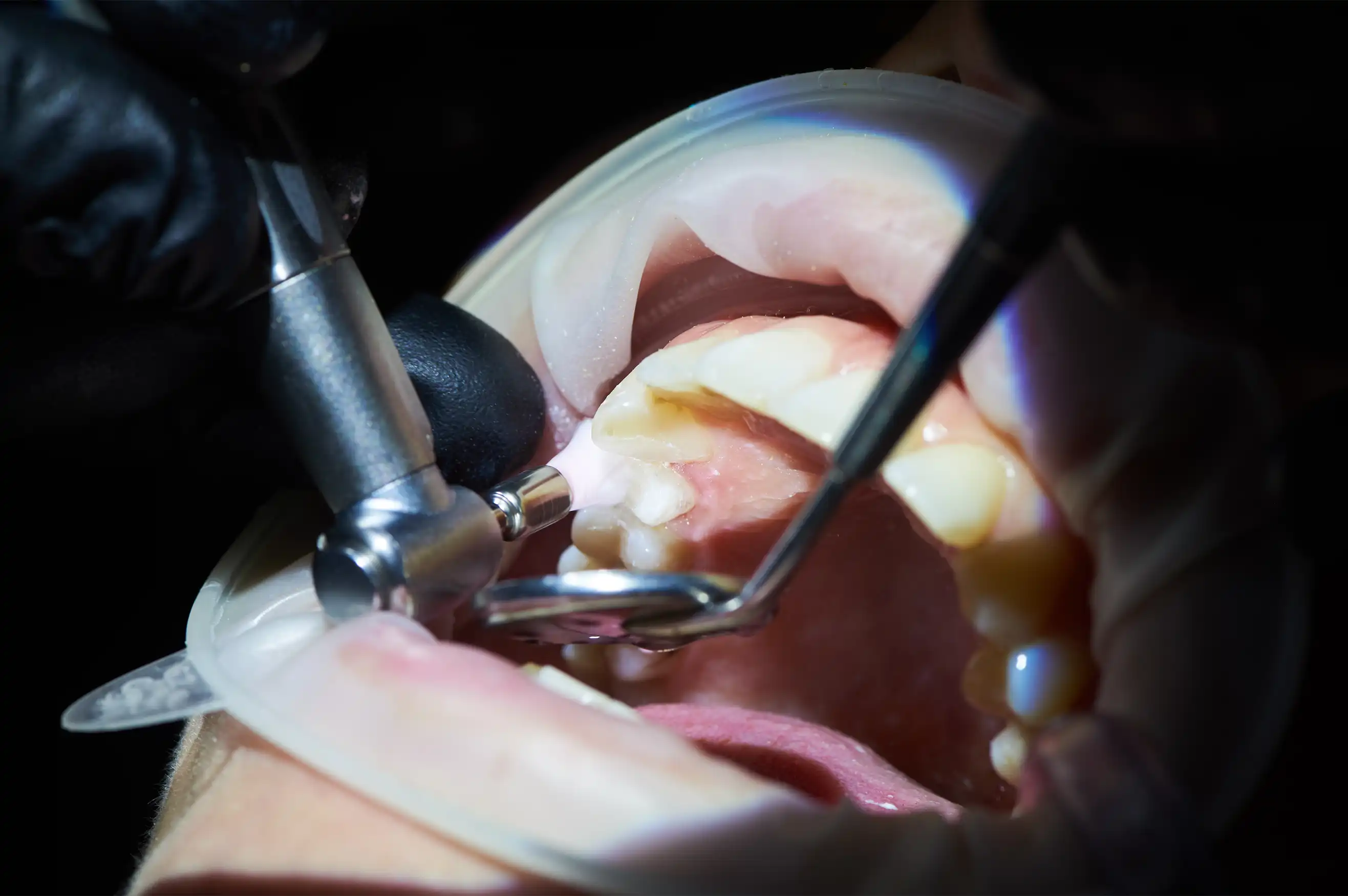
If you’re nervous, knowing the tooth extraction process can help a lot.
It’s usually quicker and simpler than people expect:
-
Numbing the area with local anesthesia (so you don’t feel pain)
-
Loosening the tooth using special dental tools
-
Removing the tooth gently
-
Placing gauze to control bleeding and help a blood clot form
For more complex cases (like impacted teeth), a surgical extraction may be needed, which can take a bit longer.
Tooth Extraction Time
Most simple extractions take about 20–40 minutes. Surgical ones may take longer, depending on complexity.
_1775749434.webp)
Does Getting a Tooth Pulled Hurt?
This is the big question.
Short answer: No, not during the procedure.
Thanks to anesthesia, you’ll feel pressure — but not pain. The discomfort usually starts after the numbness wears off.
Some people compare it to soreness after a workout — uncomfortable, but manageable.
Which Is More Painful: Tooth Extraction or Filling?
Surprisingly, many patients say extraction isn’t worse than a deep filling — it just has a longer recovery period.
Tooth Extraction Pain & Pain Relief
After the procedure, mild to moderate discomfort is normal.
Common symptoms:
-
Swelling
-
Tenderness
-
Slight bleeding
-
Jaw stiffness
Tooth Extraction Pain Relief Tips:
-
Use cold compresses for swelling
-
Take prescribed or recommended painkillers
-
Rest and avoid heavy activity
Why No Ibuprofen After Tooth Extraction?
This is a common question. In many cases, ibuprofen is allowed — but some dentists may advise against it in specific situations (like bleeding risks or medical conditions). Always follow your dentist’s instructions.
Tooth Extraction Side Effects: What’s Normal?
After a tooth is removed, your body starts healing immediately.
Normal side effects include:
-
Swelling for 2–3 days
-
Minor bleeding in the first 24 hours
-
Formation of a blood clot in the socket
That blood clot is very important — it protects the bone and nerves underneath.
Tooth Extraction Blood Clot: Why It Matters
If the clot is lost too early, it can lead to a painful condition called dry socket.
That’s why aftercare is crucial — especially in the first 24–48 hours.
Tooth Extraction Aftercare: What You Should Do
Proper tooth extraction aftercare makes a huge difference in healing.
Do:
-
Bite gently on gauze for a few hours
-
Keep your head elevated
-
Eat soft foods (like yogurt, soup, mashed potatoes)
-
Stay hydrated
Things to Avoid After Tooth Extraction
This is where many people make mistakes.
Things to avoid after tooth extraction:
-
Smoking or vaping
-
Drinking through a straw
-
Spitting forcefully
-
Eating hard or crunchy foods
-
Touching the extraction site
These actions can dislodge the blood clot and delay healing.
First Night After Tooth Extraction: What to Expect
The first night after tooth extraction is usually the most uncomfortable.
You might notice:
-
Mild bleeding
-
Swelling
-
Difficulty sleeping
Tips:
-
Sleep with your head elevated
-
Avoid lying flat
-
Take pain relief before bed
By the next day, things usually start improving.
_1775749464.webp)
Tooth Extraction Recovery & Healing Time
Tooth Extraction Healing Time:
-
Initial healing: 1–2 weeks
-
Full bone healing: a few months
Tooth Extraction Healing Stages:
-
Blood clot forms
-
Tissue begins to close
-
Bone gradually rebuilds
You may not see everything happening, but your body is working hard behind the scenes.
Read more: Dental Bone graft in Turkey
Tooth Extraction Infection: Signs to Watch For
While rare, infections can happen.
Warning signs:
-
Severe or worsening pain
-
Bad taste or smell
-
Fever
-
Pus or unusual swelling
If you notice these, contact your dentist immediately.
Tooth Extraction Cost: What to Expect
The tooth extraction cost varies depending on complexity and location.
-
Simple extraction: $75 – $300
-
Surgical extraction: $200 – $600+
Insurance may cover part of the cost, especially if it’s medically necessary.
Disadvantages of Tooth Extraction
Extraction solves problems — but it’s not without downsides:
-
Missing teeth can affect chewing and speech
-
Bone loss over time if not replaced
-
Need for implants, bridges, or dentures
That’s why dentists always try to save the tooth first when possible.
Read more: Dental implant in Turkey
Final Thoughts
So, when should a tooth be extracted?
Only when there’s no better option — but when it’s needed, it can prevent serious complications and improve your overall oral health.
The key is simple:
-
Don’t ignore symptoms
-
Follow proper aftercare
-
Choose a qualified dentist
With the right care, recovery is smooth — and you’ll be back to normal before you know it.
Sources:
- https://my.clevelandclinic.org/health/treatments/22120-tooth-extraction
- https://www.mshsak.org/signs-it-s-time-to-get-a-tooth-pulled
- https://www.nhs.uk/live-well/healthy-teeth-and-gums/dental-treatments/
- https://medlineplus.gov/ency/article/007630.htm
Fill it out to get your free consultation
Innovation & Precision In Every Implant
We use only reputable, high-quality implants designed for long-term durability
BioTec Dental Implants


Hiossen Dental Implants


Straumann Dental Implants


Nobel Biocare Dental Implants


MegaGen Dental Implants