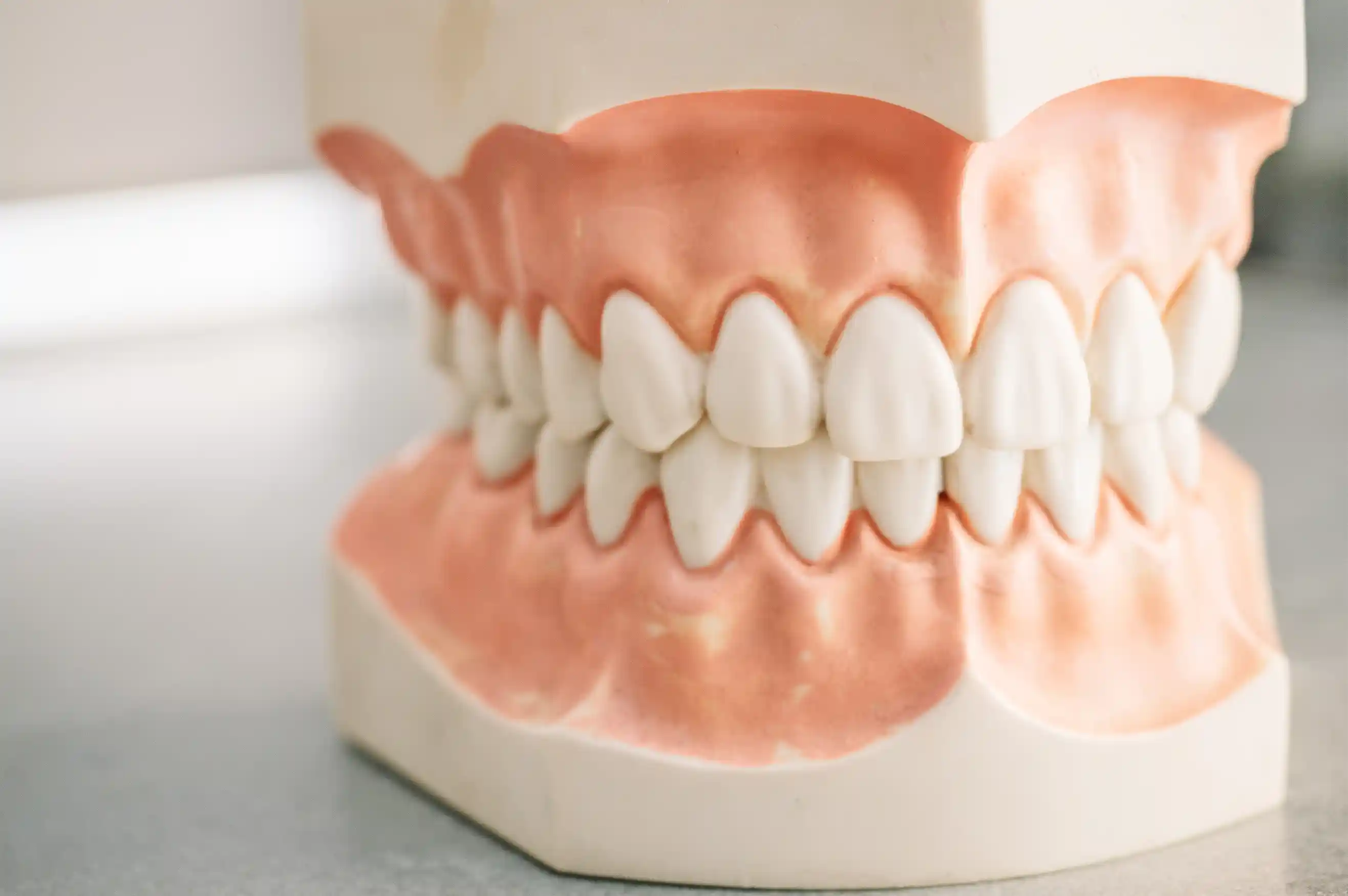
Immediate Dentures After Implants: A Complete Guide to Temporary Teeth and What to Expect
Immediate Dentures After Implants: A Complete Guide to Temporary Teeth and What to Expect
Learn about immediate dentures after implants — costs, process, pros and cons, healing timeline, before/after, and whether they can be permanent.
Table of Contents
- What Are Immediate Dentures After Implants?
- What Are Immediate Dentures?
- Immediate Dentures Process: Step-by-Step
- Immediate Dentures vs Permanent Dentures
- How Long Will an Immediate Denture Last?
- Day 3 After Immediate Dentures: What to Expect
- How Painful Are Immediate Dentures?
- Can You Eat With Immediate Dentures?
- Immediate Dentures Too Big? Adjustment and Fit Issues
- Immediate Dentures Cost and Key Considerations
- Immediate Dentures Before and After: Photos and Results
- Conclusion: Are Immediate Dentures Right for You?
Introduction: What Are Immediate Dentures After Implants?
If you’re facing full-mouth extractions, dental implants, or just wondering “Can immediate dentures be permanent?”, you’re not alone. Many patients ask about immediate dentures after implants, what to expect in the first days, how long they last, and whether they hurt.
Immediate dentures are a type of removable dental prosthesis placed immediately after teeth are removed — often on the same day. These temporary teeth help protect gum tissue, support facial appearance, and allow you to eat and speak while waiting for more permanent solutions, like implant-supported dentures or a full All-on-4 prosthesis.
In this article, we’ll walk through the process, timeline, cost considerations, common concerns (like “Are immediate dentures too big?”), and how they compare to permanent dentures — based entirely on reputable dental sources.
Read More: Dental implant in Turkey
What Are Immediate Dentures?
Immediate dentures are prosthetic teeth placed in your mouth right after your natural teeth have been extracted — before the gums and bone have fully healed. According to the NHS and health experts, they act as a temporary set of teeth while your mouth adjusts to the changes that occur following extraction.
These dentures serve important purposes:
-
Protect healing gum tissue
-
Allow normal speech and chewing sooner
-
Maintain facial structure during bone and gum healing
Because they are made in advance of extraction and inserted immediately after, they may look slightly different than your final dentures once healing is complete.
Immediate Dentures Process: Step-by-Step
Here’s how the immediate dentures process typically works:
-
Initial Dental Evaluation:
Your dentist assesses your mouth and may take impressions before extraction. -
Tooth Removal (Extractions):
Natural teeth are extracted. In cases of full mouth extraction with immediate dentures, all remaining teeth may be removed in one visit. -
Fitting the Immediate Denture:
The dentist places the dentures immediately after extraction. Some adjustments are made for comfort. -
Healing Period:
Your gums and bone begin to heal. Because healing changes the shape of your mouth, adjustments to the denture may be necessary over time.
Sources like Cleveland Clinic and Colgate highlight that immediate dentures are truly temporary — they bridge the gap until your tissues settle.
_1768646996.webp)
Immediate Dentures vs Permanent Dentures
One question many patients ask is: Can immediate dentures be permanent?
The short answer: No — immediate dentures are not meant to be permanent.
-
Immediate dentures are placed before healing is complete and may become loose as the bone and gums change shape.
-
Permanent dentures are fitted after the mouth has healed — usually several months later — and designed for long-term comfort and function.
Immediate dentures are sometimes adjusted or “relined” to improve fit during healing, but ultimately, a permanent set is recommended if long-term durability and comfort are goals.
Read More: Dental Crowns in Turkey
How Long Will an Immediate Denture Last?
Immediate dentures typically last until your healing is complete — generally several months. The exact timeline depends on how your gums and bone heal after implantation or extraction.
Dentures placed right after implant surgery or full extractions must be flexible and adjustable to adapt to the changing contours of your mouth. Because of this, they’re considered temporary teeth rather than a final restoration.
Once healing stabilizes, you may transition to:
-
Traditional full dentures
-
Implant-supported dentures (like All-on-4)
-
Partial dentures (if only some teeth were replaced)
Day 3 After Immediate Dentures: What to Expect
The first few days after fitting your immediate dentures are the most critical for adjustment. Many patients experience:
-
Soreness or tenderness — your mouth is still healing from extraction or implant surgery
-
Increased saliva production — a common, temporary response
-
Difficulty speaking clearly at first — this usually improves with practice
It’s normal for immediate dentures to feel a bit “big” or unfamiliar at first, especially around Day 3 after immediate dentures, when healing tissues are still settling.
According to Healthline and WebMD, it’s important to follow your dentist’s instructions carefully in this early period to avoid complications. They may include rinsing with salt water, avoiding very hard or sticky foods, and scheduling adjustment appointments as needed.
How Painful Are Immediate Dentures?
Pain levels vary depending on:
-
How many teeth were extracted
-
Whether implants were placed
-
Your personal pain tolerance
During the first few days and even up through the first week, some discomfort is expected — especially if swelling or sensitivity arises from extractions or implant sites. Over-the-counter pain relievers and careful oral hygiene can help.
Most patients report that pain diminishes rapidly after the first 72 hours, though sensitivity may linger slightly longer.
Can You Eat With Immediate Dentures?
One of the biggest concerns is whether you can eat normally with temporary teeth after extraction. The answer: Yes — but carefully.
For the first few days:
-
Stick to soft foods (mashed vegetables, soups, smoothies)
-
Avoid hard, crunchy, or sticky foods
-
Chew slowly and evenly on both sides of the mouth
As your gums heal and you become more comfortable with the dentures, you can gradually reintroduce a wider variety of foods. Your dentist will guide you on the best timeline for advancing your diet.
Immediate Dentures Too Big? Adjustment and Fit Issues
Some patients feel that their dentures are “too big” or loose shortly after fitting — especially in the first week or after changes in swelling.
This is normal. Because immediate dentures are placed before swelling goes down, they may require:
-
Relining (interior adjustment)
-
Rebasing (replacement of the denture base)
-
Minor reshaping
Fit adjustments are usually part of the healing process. Stay in contact with your dentist to ensure comfort and function improve over time.
Immediate Dentures Cost and Considerations
The process and material demands of immediate dentures hint that pricing can vary widely depending on geographic area and clinic pricing.
In general, factors that influence immediate dentures cost include:
-
Number of teeth extracted or replaced
-
Whether implants are placed at the same time
-
Materials used for the denture
-
Follow-up adjustment appointments
If you’re searching for “immediate dentures near me” to compare quotes, be sure to ask about:
-
Whether initial impression and fitting are included
-
Costs for relining or adjustment visits
-
Whether any warranty or satisfaction guarantee is offered
_1768646979.webp)
Photos and Before/After — What to Expect
Many patients looking for “immediate dentures before and after” or “immediate dentures pictures” want reassurance about how they’ll look. While your temporary dentures may not match the final aesthetic of a permanent set, they:
-
Support facial appearance
-
Help maintain jaw structure
-
Allow you to smile, speak, and function during healing
Before/after photos typically show a significant improvement in appearance even with temporary teeth, which makes the transition less stressful for patients undergoing full tooth removal or implant placement.
Read More: Hollywood Smile in Turkey
Conclusion: Are Immediate Dentures Right for You?
Immediate dentures after implants serve a valuable role in the journey from natural teeth to a fully healed mouth with permanent prosthetics. They offer:
-
Immediate replacement of missing teeth
-
Functional chewing and speech early on
-
Protection for healing gum tissue
However, they are temporary by design, and understanding the timeline, discomfort levels, and adjustment period is important. They should be viewed as a bridge — not a permanent solution.
If you’re curious about how they’ll fit you personally, or want to see “immediate dentures reddit” stories, it can help to discuss your situation with a qualified dental professional. They can provide personalized guidance on whether you’ll eventually transition to:
-
Traditional full or partial dentures
-
Implant-supported dentures like All-on-4
-
Another restorative dental option
No matter your path, immediate dentures make the healing period more comfortable and help you move confidently toward your long-term smile goals.
Sources:
- https://www.leedsth.nhs.uk/patients/resources/immediate-dentures/
- https://www.healthline.com/health/immediate-denture#pros-cons
- https://www.webmd.com/oral-health/what-is-a-temporary-partial-denture
- https://my.clevelandclinic.org/health/treatments/10900-dentures
- https://www.colgate.com/en-us/oral-health/dentures/what-are-temporary-dentures-
Fill it out to get your free consultation
Innovation & Precision In Every Implant
We use only reputable, high-quality implants designed for long-term durability
BioTec Dental Implants


Hiossen Dental Implants


Straumann Dental Implants


Nobel Biocare Dental Implants


MegaGen Dental Implants