Can Diabetics Get Veneers? Everything You Need to Know Before Treatment
Can Diabetics Get Veneers? Everything You Need to Know Before Treatment
Can diabetics get veneers safely? Learn about veneers for diabetics, treatment risks, healing, eligibility, and dental care tips before treatment.
Table of contents:
- Can Diabetics Get Veneers?
- What Are Dental Veneers?
- Can People With Diabetes Get Veneers Safely?
- Why Diabetes Can Affect Dental Treatments
- Veneers for Diabetics: What Dentists Usually Check First
- Are Porcelain Veneers Better for Diabetics?
- Possible Risks of Veneers for Diabetic Patients
- How Diabetics Can Prepare for Veneers
- Do Diabetics Qualify for Free Dental Treatment?
- Are Veneers Worth It for People With Diabetes?
Can Diabetics Get Veneers?
A healthy, confident smile can make a huge difference in everyday life. That’s why dental veneers have become one of the most popular cosmetic dental treatments worldwide. But for people living with diabetes, one common question often comes up: can diabetics get veneers safely?
The short answer is yes — in most cases, people with diabetes can absolutely get veneers. However, there are a few important health considerations to keep in mind before starting treatment. Blood sugar control, gum health, and healing ability can all influence whether veneers are the right option.
The good news is that with proper dental planning and well-managed diabetes, veneers can be both safe and highly successful for diabetic patients.
What Are Dental Veneers?
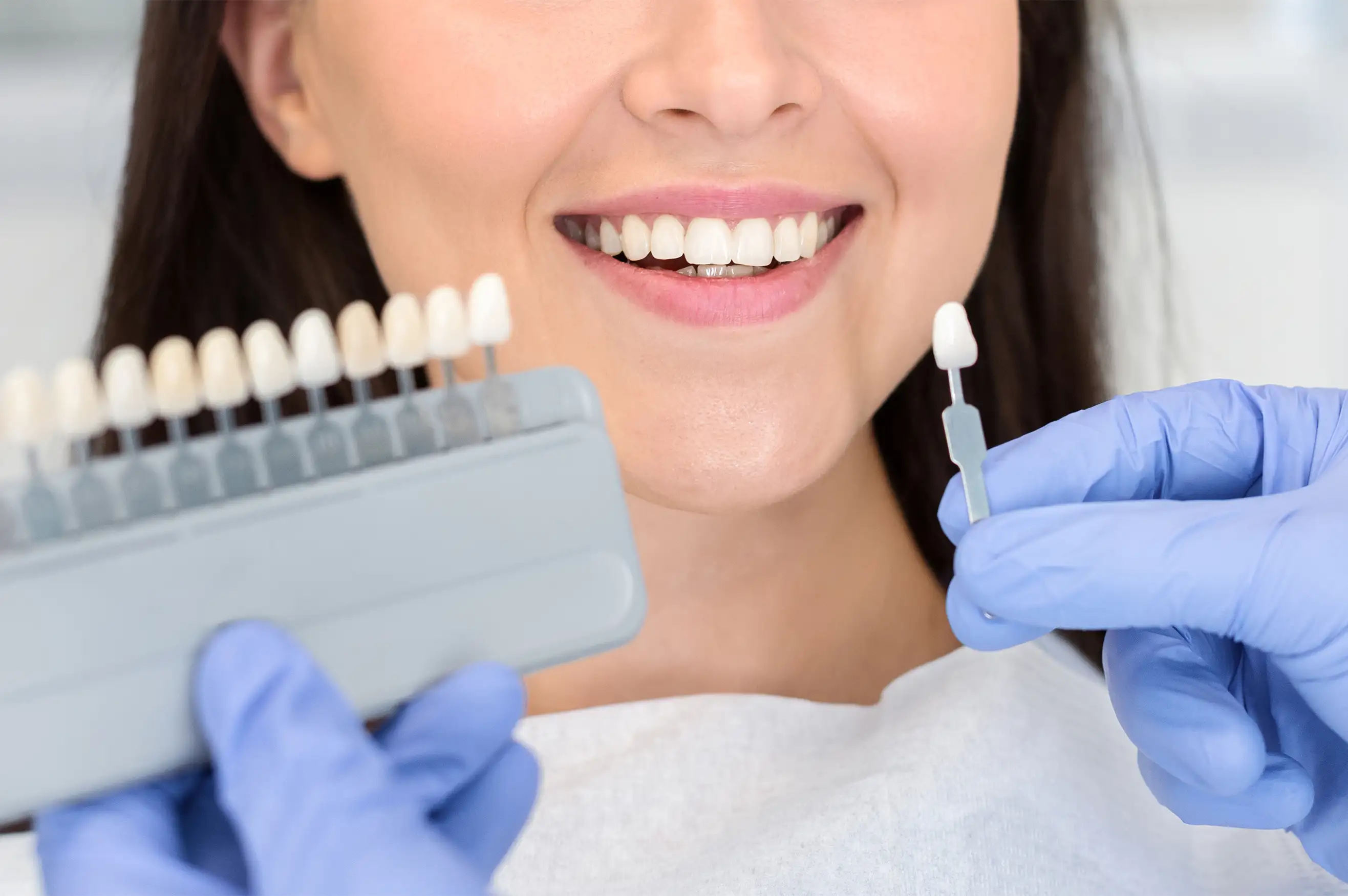
Dental veneers are thin shells — usually made from porcelain or composite resin — that are bonded to the front surface of the teeth. They’re designed to improve the appearance of:
-
Stained or discolored teeth
-
Chipped teeth
-
Uneven spacing
-
Worn enamel
-
Slightly crooked teeth
Porcelain veneers are especially popular because they closely mimic the natural shine and translucency of real teeth. They’re durable, stain-resistant, and can last 10–15 years or more with proper care.
For many people, veneers offer a fast and minimally invasive way to achieve a brighter, more symmetrical smile.
Read More: Veneers in Turkey
_1778153255.webp)
Can People With Diabetes Get Veneers Safely?
Yes — people with diabetes can usually get veneers safely, especially if their diabetes is under control.
Dentists typically focus on one key factor before cosmetic dental treatment: overall oral health. If blood sugar levels are stable and the gums are healthy, veneers are often no different for diabetic patients than they are for anyone else.
That said, uncontrolled diabetes may increase the risk of certain dental complications, including:
-
Gum disease
-
Dry mouth
-
Slower healing
-
Increased risk of infection
Because veneers require some preparation of the teeth and gums, dentists want to make sure the mouth is healthy enough for treatment beforehand.
In many cases, patients with well-managed Type 1 or Type 2 diabetes experience excellent veneer results with no additional complications.
Why Diabetes Can Affect Dental Treatments
Diabetes affects how the body heals and responds to bacteria. High blood sugar levels can weaken the immune system and increase inflammation throughout the body — including inside the mouth.
This is important because healthy gums are essential for long-lasting veneers.
If a diabetic patient already has untreated gum disease, veneers may not be recommended until the condition is treated first. Inflamed gums can affect the fit, appearance, and longevity of veneers.
Another issue is dry mouth, which is common in diabetic patients. Saliva plays a major role in protecting teeth from bacteria, so reduced saliva can increase the risk of decay around veneers if oral hygiene is poor.
Fortunately, these risks can often be managed with good medical and dental care.
Veneers for Diabetics: What Dentists Usually Check First
Before approving veneers, dentists usually perform a full oral examination. For diabetic patients, this evaluation may include extra attention to:
Blood Sugar Control
Patients with stable blood sugar levels generally heal better and experience fewer complications. Dentists may ask about recent HbA1c levels or diabetes management history.
Gum Health
Healthy gums are critical for successful veneers. Signs of gingivitis or periodontitis may need treatment first.
Existing Tooth Decay
Any cavities or infections should be addressed before cosmetic treatment begins.
Oral Hygiene Habits
Daily brushing, flossing, and regular cleanings are especially important for diabetic patients considering veneers.
The goal isn’t to exclude diabetic patients from treatment — it’s simply to ensure the best possible long-term outcome.
Are Porcelain Veneers Better for Diabetics?
In many cases, yes. Porcelain veneers are often considered the better option for diabetic patients because they are:
-
More durable
-
More stain-resistant
-
Less likely to accumulate bacteria
-
Longer lasting than composite veneers
Since diabetes can sometimes increase oral health sensitivity, durable materials become especially important.
Composite veneers may still work for some patients, particularly those looking for a more affordable option, but porcelain tends to offer better long-term stability and aesthetics.
Your dentist will usually recommend the best material based on your oral condition, lifestyle, and budget.
Read More:Hollywood Smile in Turkey
Possible Risks of Veneers for Diabetic Patients
Although veneers are generally safe, there are still a few risks diabetic patients should understand before treatment.
Gum Irritation
Poorly controlled diabetes can make gums more sensitive or prone to inflammation after dental procedures.
Delayed Healing
Some diabetic patients heal more slowly, especially after tooth preparation or gum contouring.
Increased Infection Risk
If oral hygiene is neglected, bacteria may build up around the veneers and gums.
Veneer Failure
Underlying gum disease or untreated decay can shorten the lifespan of veneers.
The key takeaway is simple: diabetes itself usually isn’t the problem — uncontrolled diabetes is.
When blood sugar levels are stable and oral health is maintained, complications are far less common.
_1778153768.webp)
How Diabetics Can Prepare for Veneers
Preparation plays a huge role in treatment success. If you have diabetes and are considering veneers, dentists often recommend the following steps:
Keep Blood Sugar Stable
Try to maintain healthy glucose levels in the weeks leading up to treatment.
Schedule Regular Dental Cleanings
Professional cleanings help reduce inflammation and bacteria before veneers are placed.
Stay Hydrated
Managing dry mouth is important for protecting both natural teeth and veneers.
Follow Excellent Oral Hygiene
Brush twice daily, floss regularly, and use dentist-recommended mouthwash.
Be Honest About Your Medical History
Always tell your dentist about medications, insulin use, and any recent changes in your condition.
These simple habits can significantly improve both healing and long-term veneer success.
Do Diabetics Qualify for Free Dental Treatment?
This depends largely on the country and healthcare system.
In some countries, diabetic patients may qualify for partial or full dental coverage if treatment is considered medically necessary rather than cosmetic. For example:
-
Gum disease treatment may be covered
-
Infection-related dental care may qualify
-
Preventive dental services may receive support
However, cosmetic procedures like veneers are usually not fully covered by public healthcare or insurance plans.
Some private insurance providers may offer partial reimbursement if veneers help restore damaged teeth rather than purely improve appearance.
It’s always worth checking with:
-
Your dentist
-
Your insurance provider
-
Local healthcare services
because coverage rules vary widely.
Read More: Autora Clinic Wins the Golden Award for Best Dental Clinic in Turkey – 2025
Are Veneers Worth It for People With Diabetes?
For many diabetic patients, the answer is absolutely yes.
A beautiful smile can improve confidence, social comfort, and even professional self-esteem. And because diabetes sometimes contributes to discoloration or oral health issues, veneers can provide both cosmetic and emotional benefits.
The most important factor is choosing the right dentist — ideally one experienced in treating patients with medical conditions like diabetes.
With proper planning, healthy gums, and good diabetes management, veneers can look natural, feel comfortable, and last for many years.
So, can diabetics get veneers? In most cases, yes. People with diabetes can safely receive veneers as long as their condition is well controlled and their oral health is stable.
The process may require a little extra care and planning, but diabetes doesn’t automatically prevent you from achieving a healthy, confident smile.
If you’re considering veneers, the best next step is to schedule a consultation with a qualified cosmetic dentist. They can evaluate your oral health, discuss your medical history, and help determine the safest and most effective treatment plan for you.
A beautiful smile is still possible — diabetes or not.
Fill it out to get your free consultation
Innovation & Precision In Every Implant
We use only reputable, high-quality implants designed for long-term durability
BioTec Dental Implants


Hiossen Dental Implants


Straumann Dental Implants


Nobel Biocare Dental Implants


MegaGen Dental Implants